Exploring Synchronization Challenges in Multi-Device Sessions for Live Casino Experiences
Blake Braun · Aug 20, 2026

Exploring Synchronization Challenges in Multi-Device Sessions for Live Casino Experiences
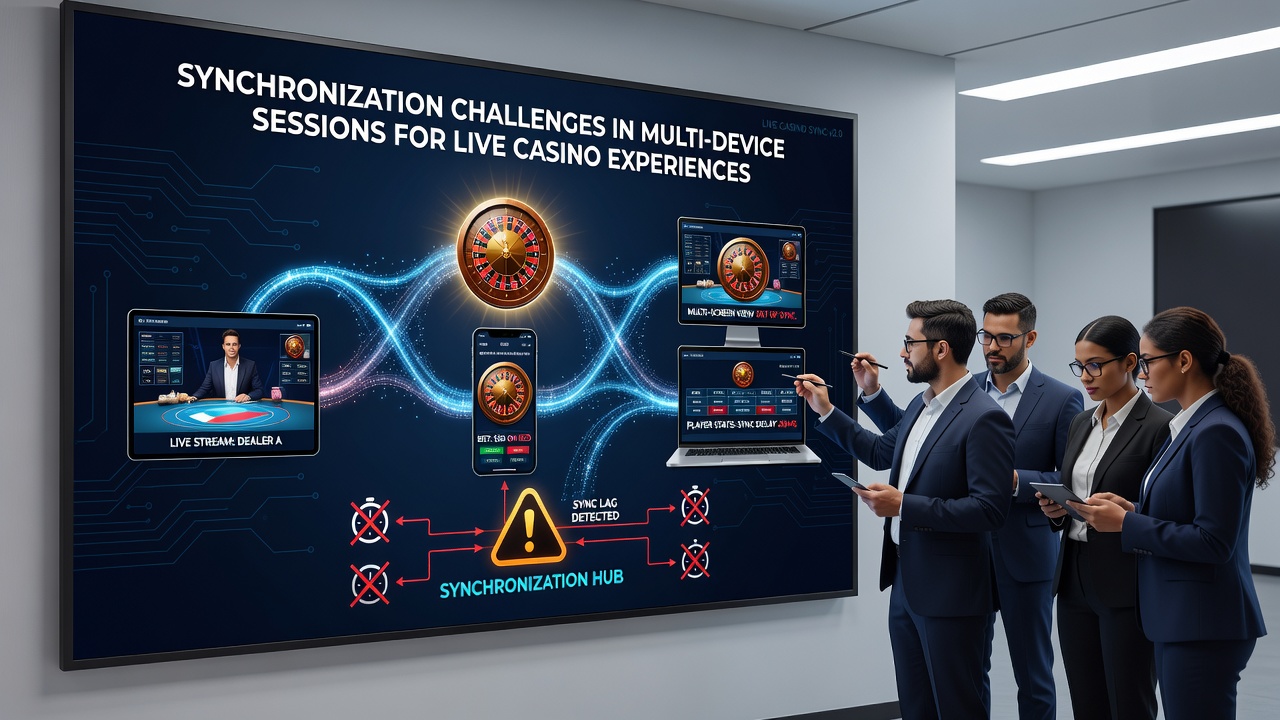
Live casino platforms have expanded access through multi-device sessions where players switch between smartphones, tablets, and desktops during ongoing games, yet these transitions introduce synchronization hurdles that affect timing, data consistency, and interaction flow. Observers note that core issues arise when network conditions vary across devices, causing delays in video feeds or bet confirmations that disrupt the shared game state.
Core Technical Barriers in Device Handovers
Researchers have identified latency mismatches as a primary concern, since mobile networks often deliver packets at different rates than stable broadband connections, and this gap widens when a session moves mid-round from one device to another. Studies from industry reports show that packet loss on cellular links can reach 2-5 percent during peak hours, which forces servers to reconcile incomplete data streams before resuming play. Experts at organizations tracking gaming infrastructure point out that clock drift between devices compounds the problem, because each unit maintains its own internal timer that drifts by milliseconds over extended sessions, leading to desynced reel spins or card reveals.
Device-specific rendering engines add another layer, as graphics processing units on older tablets handle live dealer streams differently than newer phones equipped with advanced chipsets, and this variation results in staggered audio-video alignment that players notice during high-stakes moments. Data collected through platform logs in mid-2026 revealed that handover failures peaked in regions with mixed 4G and 5G coverage, where fallback protocols struggled to maintain continuous state updates.
State Management Across Platforms
Game servers must track every action in real time, including wager amounts, player positions, and dealer interactions, while pushing updates to all connected endpoints without duplication or omission. According to findings shared by the European Gaming and Betting Association, synchronization protocols rely on centralized timestamps, yet these systems encounter bottlenecks when multiple devices issue near-simultaneous requests during bonus rounds or side bets. The reality is that partial updates can leave one device showing an outdated balance while another reflects the correct figure, creating confusion until reconciliation occurs.
Cloud-based architectures have helped mitigate some gaps by caching session data closer to users, but geographic routing still produces inconsistencies when a player crosses network boundaries. One case examined by analysts involved a multi-device poker tournament where a tablet lost connection briefly, and the rejoin process required manual intervention to align card histories across all participants.
Regulatory and Infrastructure Influences
August 2026 figures from the Nevada Gaming Control Board indicated steady growth in live dealer traffic across mobile and desktop channels, with operators reporting increased demand for seamless device switching. Regulatory frameworks in several jurisdictions now require audit trails that capture every synchronization event, which places additional load on logging systems already handling high-frequency updates. Industry groups such as the Gaming Standards Association have published guidelines on minimum latency thresholds, yet enforcement varies by region and platform scale.
Network providers contribute through quality-of-service agreements that prioritize gaming traffic, but these arrangements do not always extend uniformly to all device types or carrier partnerships. Observers tracking infrastructure note that edge computing nodes, deployed in major markets, reduce round-trip times by 30-40 milliseconds on average, although coverage remains uneven in rural or international zones.
Emerging Approaches and Measured Outcomes
Developers have tested adaptive buffering techniques that adjust video quality based on detected device capabilities and connection stability, allowing smoother transitions without manual player input. Research presented at recent technology conferences demonstrates that machine-learning models can predict handover points and pre-load state data, cutting reconciliation time by up to 25 percent in controlled trials. Those who have implemented such models report fewer support tickets related to session interruptions, according to aggregated operator data.
Cross-platform frameworks built on WebRTC and similar standards continue to evolve, incorporating fallback mechanisms that switch between TCP and UDP transports depending on detected packet loss. Data from pilot programs in 2026 shows these adjustments maintain frame rates above 30 per second during most handovers, though edge cases involving rapid device switches still surface occasional audio drift.
Conclusion
Synchronization challenges in multi-device live casino sessions stem from measurable differences in network performance, device hardware, and protocol timing, and operators continue to refine server-side reconciliation along with client-side optimizations. Figures released through regulatory channels and industry associations confirm ongoing investment in infrastructure that targets these gaps, while research institutions document incremental gains in consistency across platforms. Continued monitoring through 2026 and beyond will determine how effectively new tools close remaining discrepancies for players who move fluidly between devices.